Turning student capstone projects into professional portfolios
- Company
- ProjectCocoon
- Timeline
- 8 months · Apr-Dec 2021
- Scope
- Product Design • UX Research • Visual Design
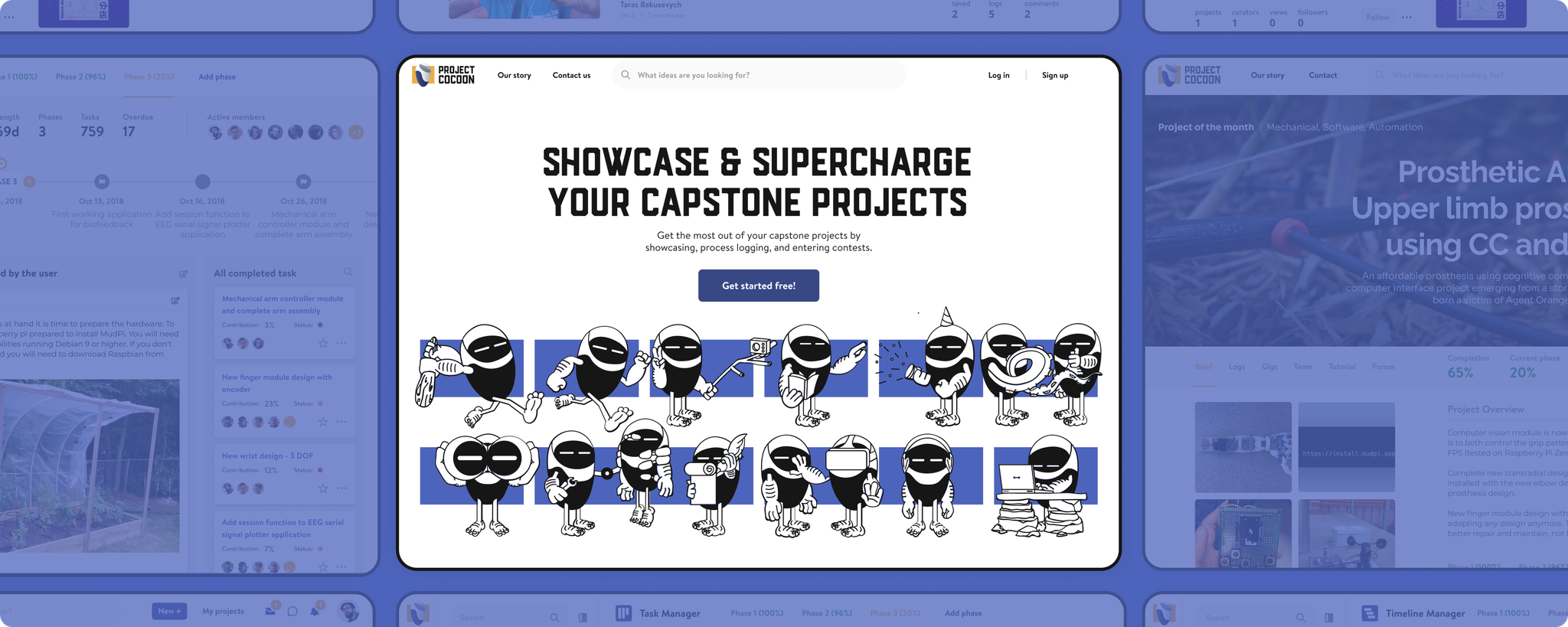
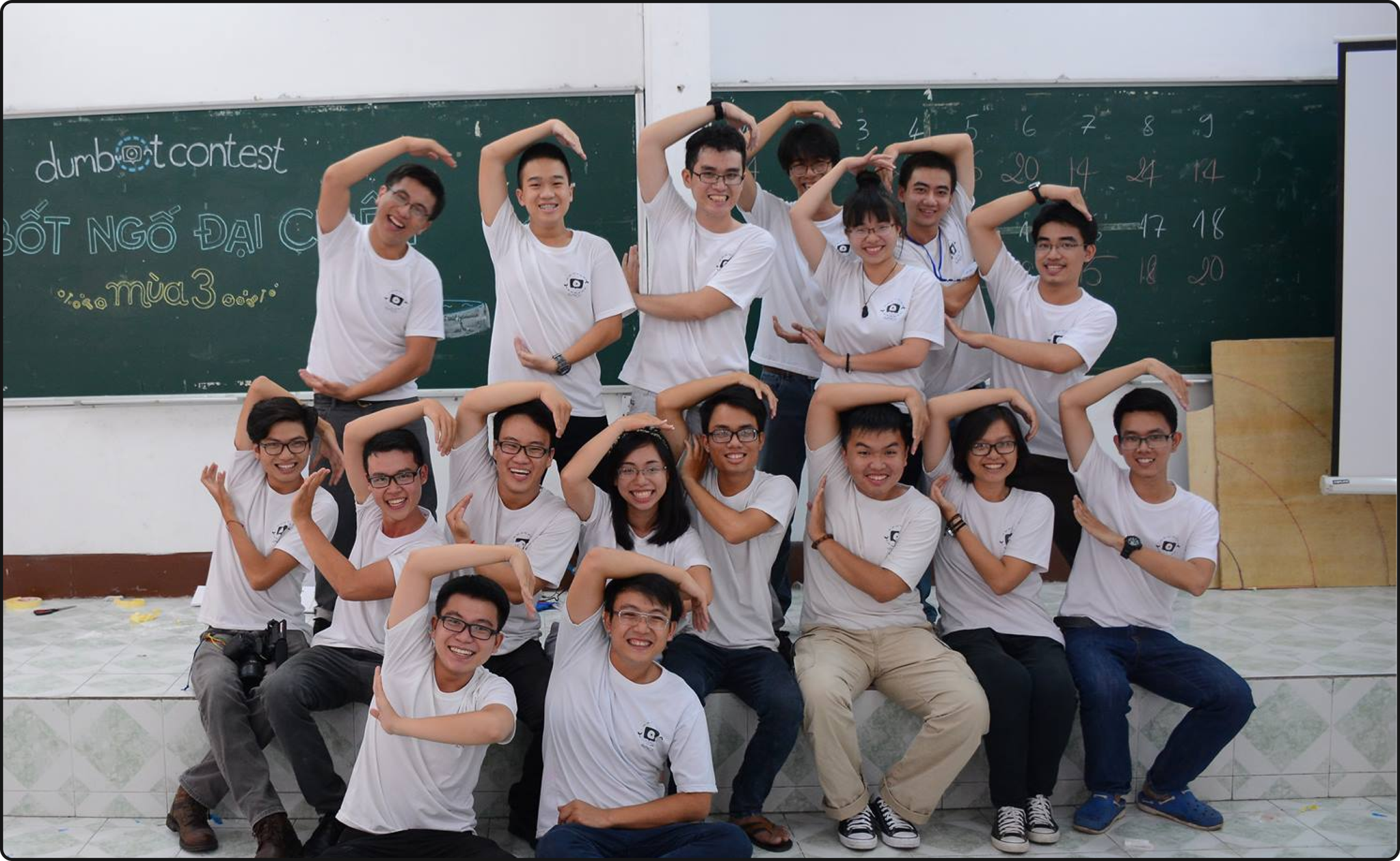
ProjectCocoon grew out of DumbOt, a non-profit science group aiming to build Vietnam's first self-learning science community. The idea: an open platform to host students' capstone projects and reinvest in them - connecting makers to a community of interest, surfacing new ideas, and fostering collaboration. A $10,000 AWS grant let us expand the team, run contests and workshops, and turn our focus to the platform's experience.
Around 300,000 students graduate from Vietnamese universities each year, producing 20,000+ projects - most of them discontinued for lack of money, mentors, or teammates. There was no central place to store, showcase, or revive them, and existing tools did nothing to help a project get rediscovered or supported.
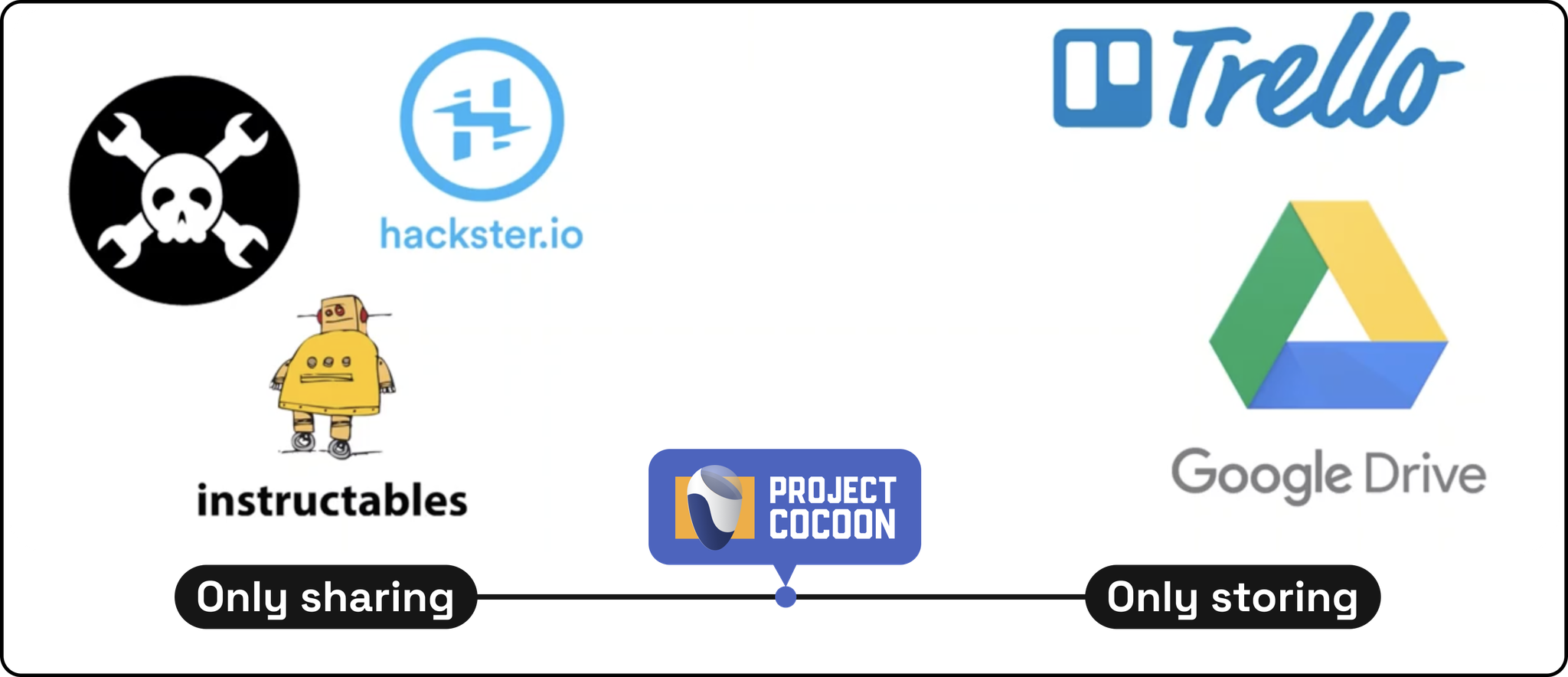
Most tools did only one job - places like Instructables and Hackster to share finished work, or Trello and Drive to store it. We set ProjectCocoon in the middle: a place to present a project professionally and manage it as it grows.
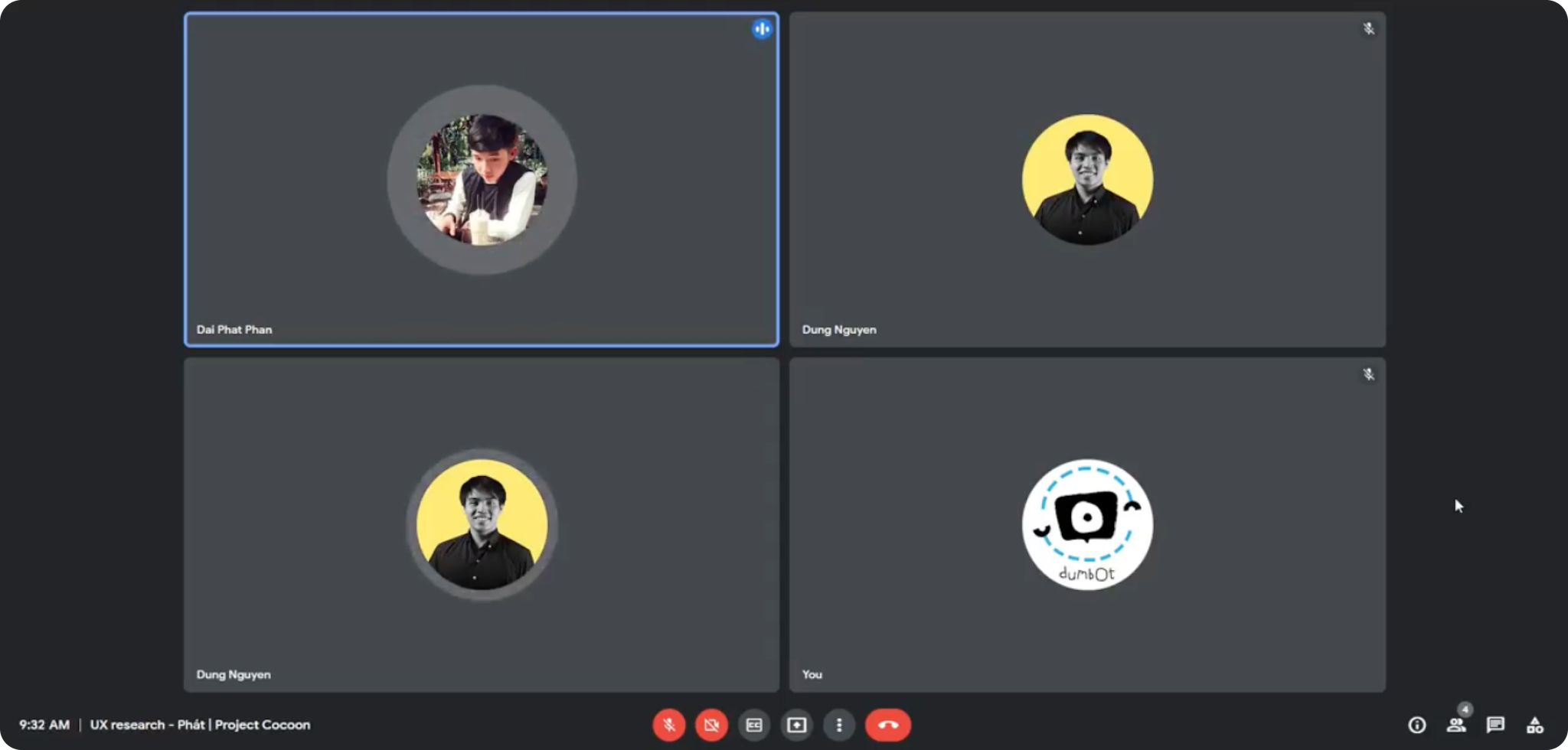
The interviews split cleanly into two types, each with its own struggle:
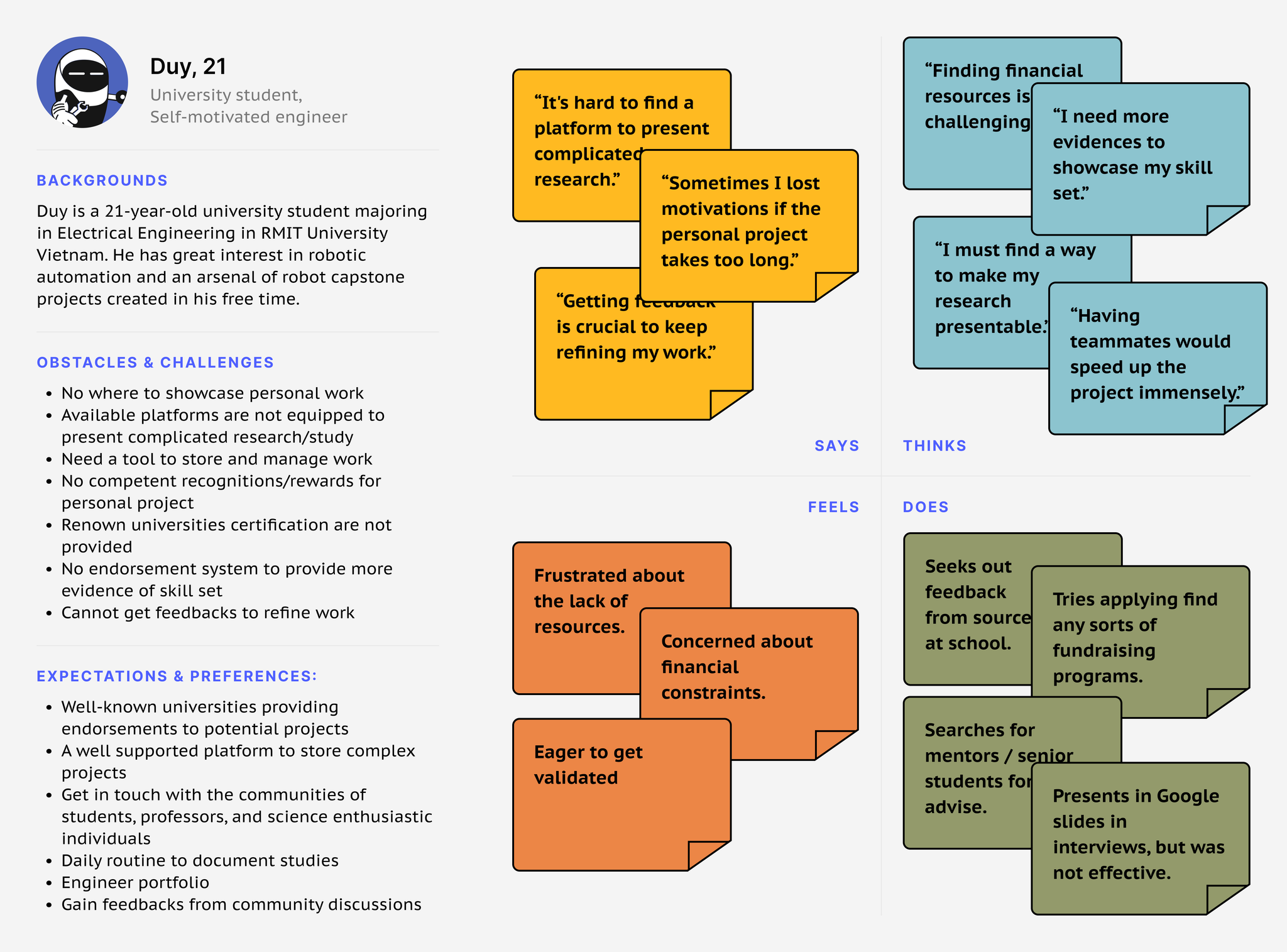
- Self-motivated engineers cared about validation for passionate, pro-bono work - and struggled to showcase complex passion projects professionally.
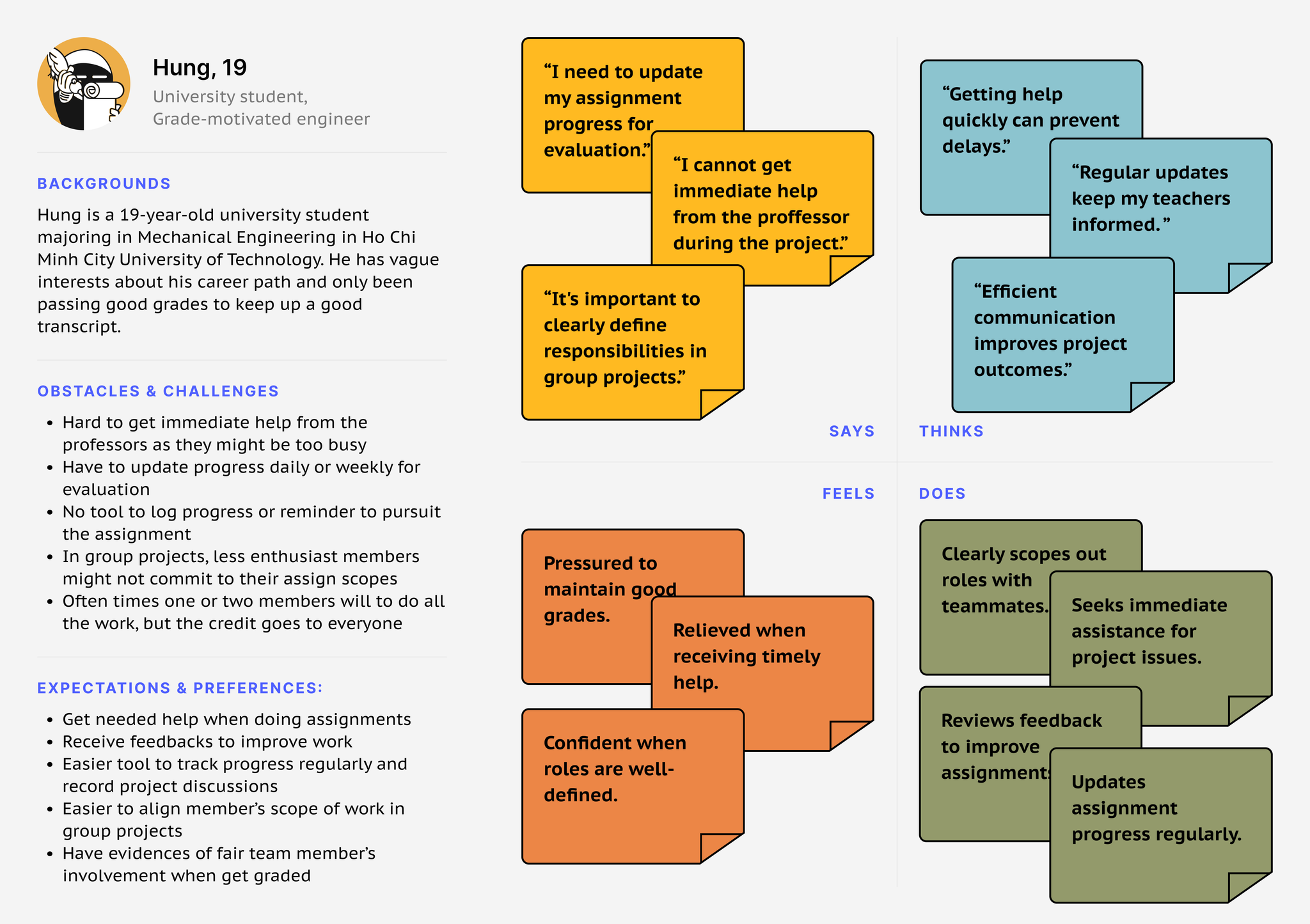
- Grade-motivated engineers were driven by assignments - and struggled to prove to teachers that they'd actually done the work.
Mapping each type surfaced what they found hard. Self-motivated engineers needed a way to present complex research, get their skills validated, receive educated feedback, and even fund a restart. Grade-motivated engineers needed to log progress for teachers, get immediate help, and clearly scope responsibilities with teammates.
The existing platforms each left a gap:
- Instructables - great for DIY tinkering, but an article/blog format that wasn't scannable for employers.
- Hackster.io - professional hardware showcases, but it favoured finished products over the development process students wanted to show.
- Hackaday - the closest to our vision: a showcase and a competition hub where engineers could be tested and validated.
- Result-focused platforms didn't suit students who value learning and development.
- Scannability matters for a quick evaluation when applying for jobs.
- One collective home for science contests would help students who wanted recognition.
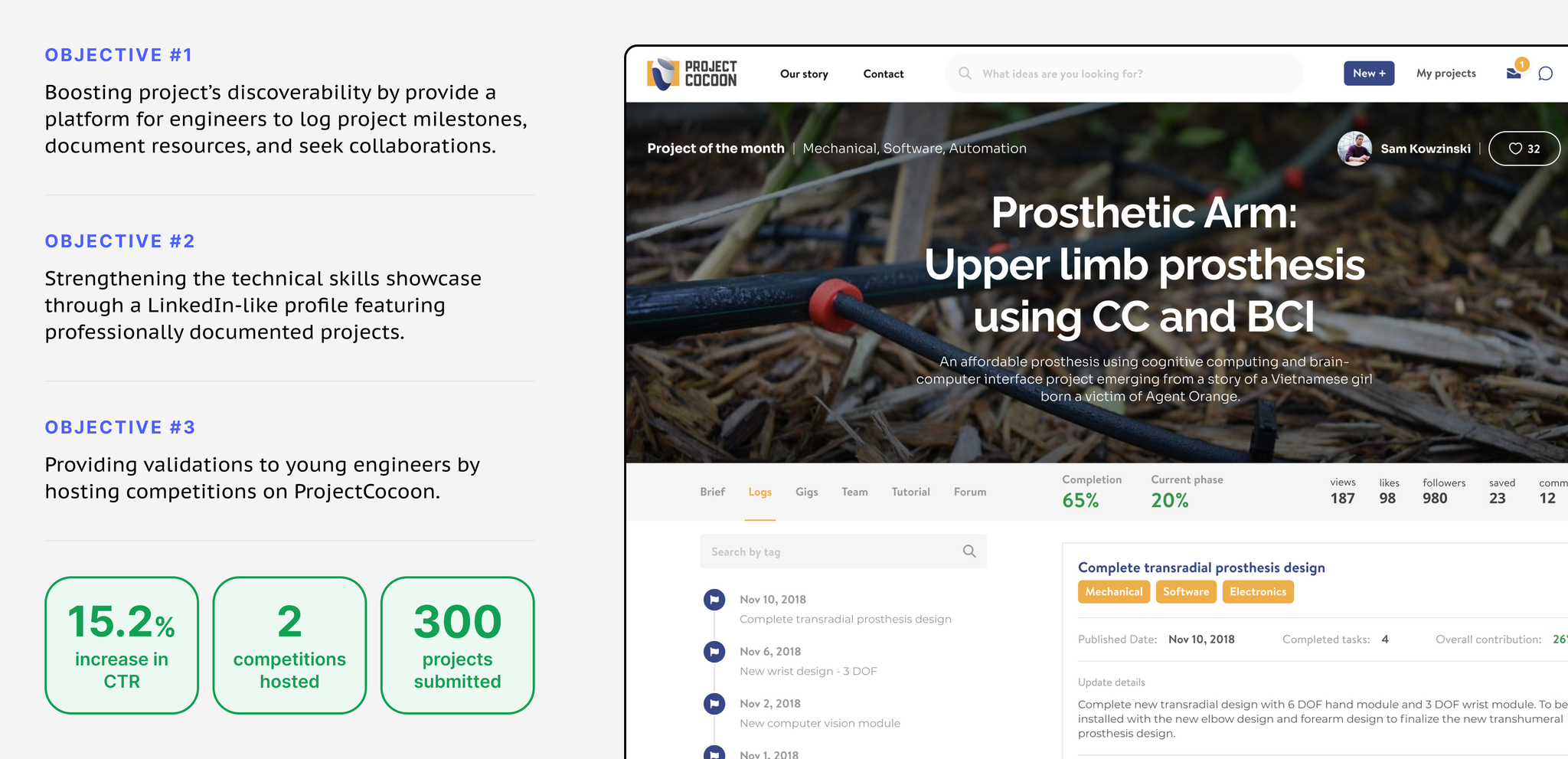
- Showcase the work professionally - let engineers log progress, manage tasks, and present technical projects.
- Validate the effort - skills, pro-bono projects, and individual contributions in group work.
- Make projects discoverable - to attract constructive feedback and mentorship.
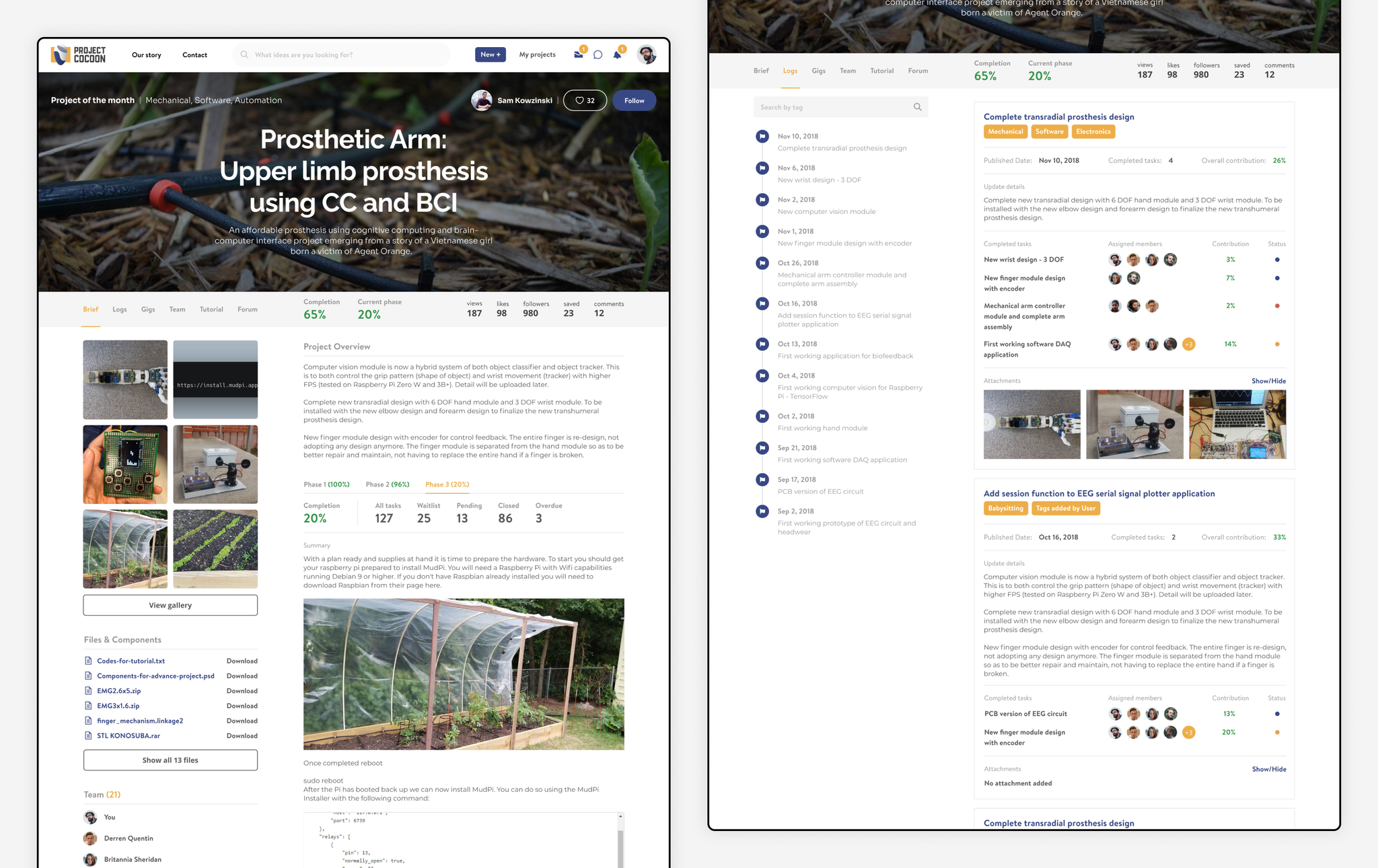
Beyond the usual cover - overview, images, files, logs - we put heavy emphasis on a project's growth: its phases, a milestone timeline, and the team behind it. We broke each log into tasks that creators could manage and selectively post, so viewers saw the real development, not only a polished result.
After launch — for students just seeking inspiration, all this detail could feel overwhelming - and grade-motivated students turned out to want a more casual note-taking tool.
We opened a sub-domain service for other organisations to run their own contests on ProjectCocoon, and each week highlighted nominated projects - ones that had won a contest or shared a significant leap in progress.
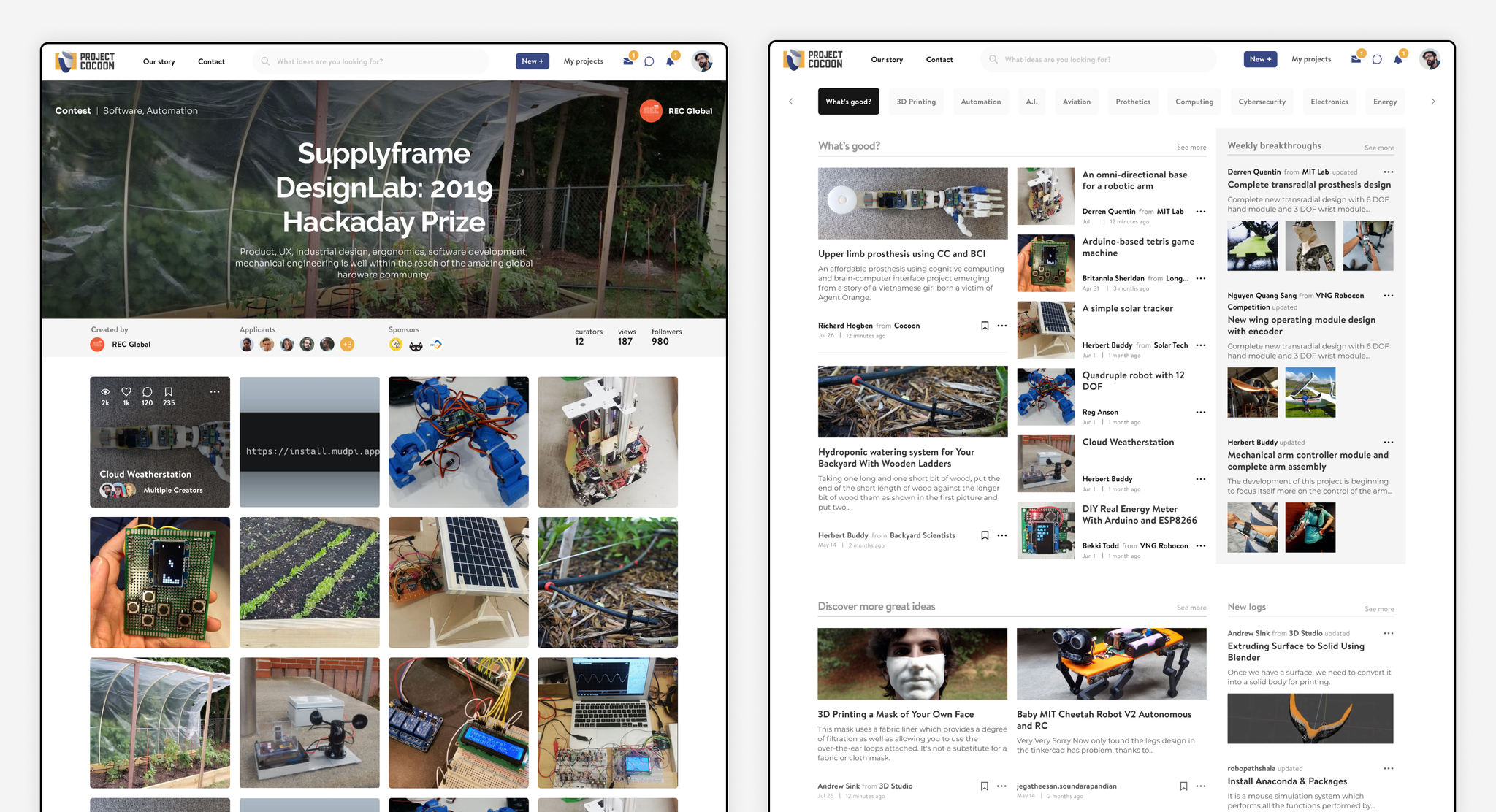
After launch — marketing the contests proved hard: Covid-19 hit while most of our competitions were meant to run on-site.
We wanted a hybrid of LinkedIn and Behance - a viewer could see an engineer's experience and their work. Centralising every project under one profile URL let engineers attach a single link to a resume. Search was tailored to surface Profiles, Projects, or Boards - curated collections, Pinterest-style.
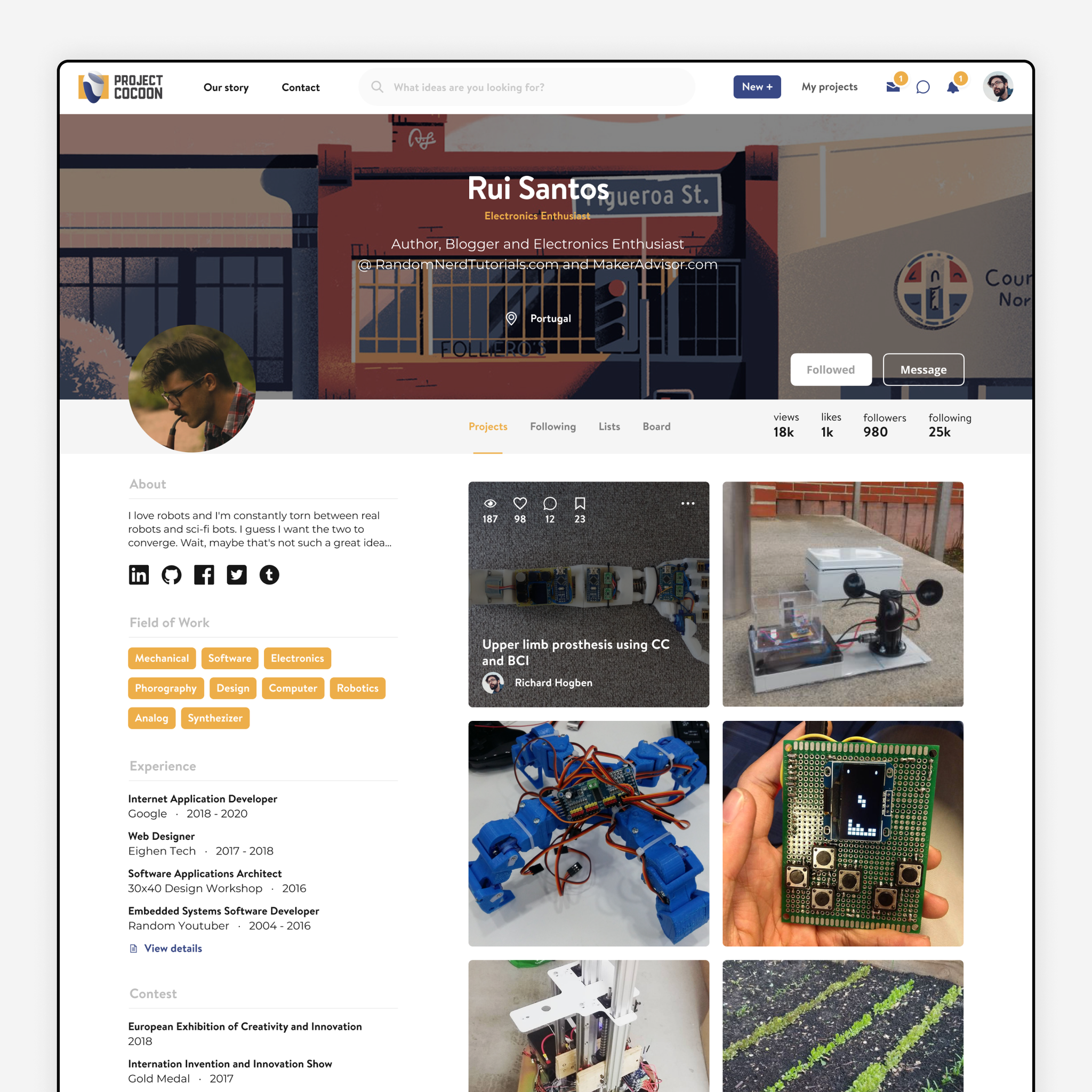
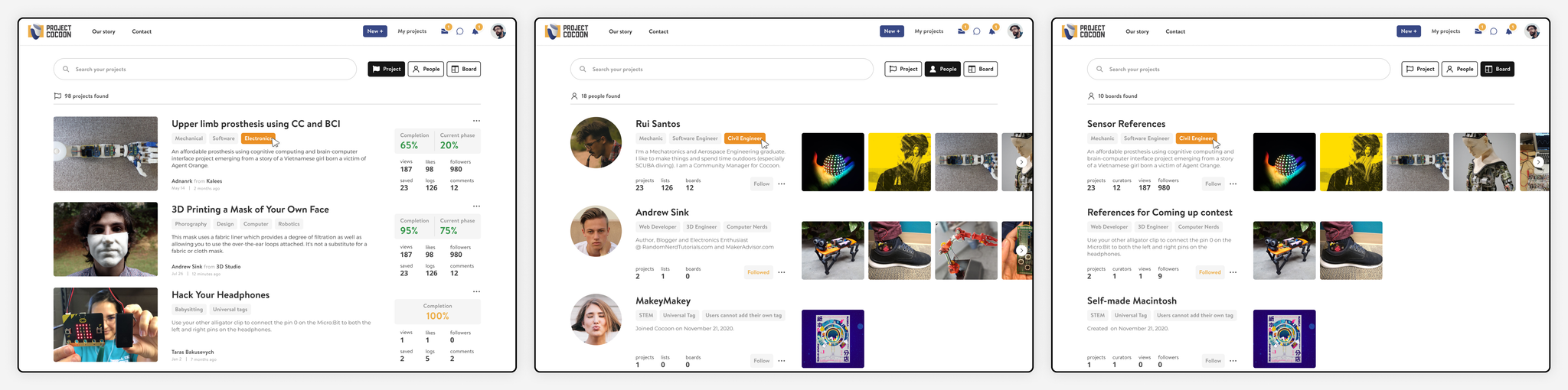
After launch — the profile showed promise (36% of surveyed users found it useful), though with people focused on individual projects, its full effect stayed hard to measure.
- In its launch week, ProjectCocoon hit a 15.2% conversion rate.
- Acquired and sponsored 2 science competitions (GeekOnline and Science for the Future Fair), accumulating 300+ projects.
- Partnered with 2 high schools and 2 universities to use ProjectCocoon as a project-management tool.
- Part-time passion is a dangerous rabbit hole. Most of the core team had day jobs, so commitment ran on passion alone - which made regular, constructive design feedback and alignment genuinely hard.
- Departments have to move together. Strong business and marketing built an organic reach of 7,000+ Facebook followers, but without enough engineering effort we couldn't pull off some key initiatives.